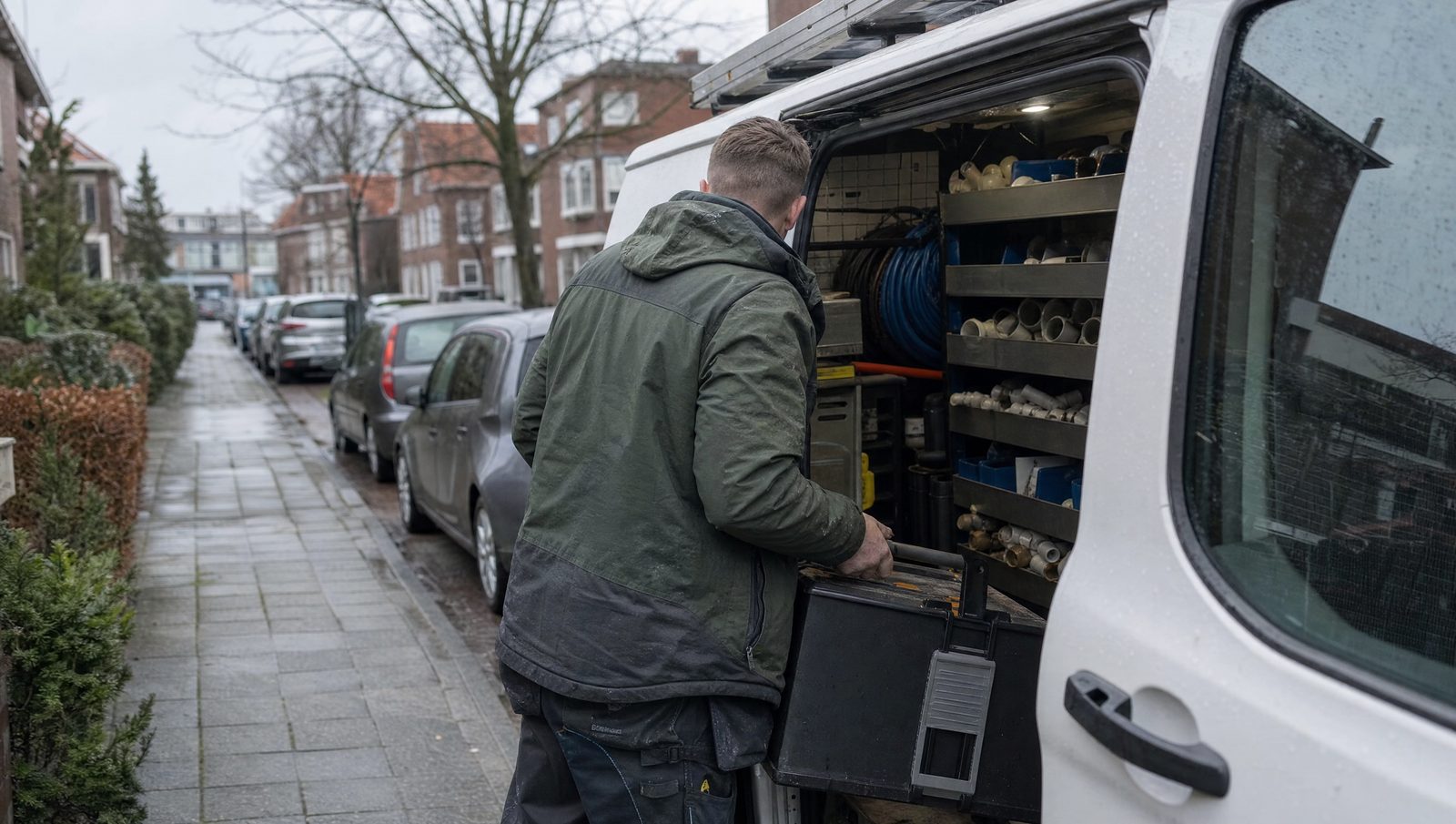
Heavy physical work, changing weather and working at height: absence risk in construction is higher than in many other sectors. If a skilled worker drops out, it is not just the salary that keeps running. Your schedule stalls too.
The biggest absence risks in construction
Physical complaints
Back, shoulder and knee problems from lifting, kneeling and repetitive work are a major cause of long-term absence in construction.
Accidents
A fall from scaffolding or an accident with equipment can mean months of absence, sometimes with a long return-to-work process.
Hard to replace
Skilled workers are scarce. Hiring in replacements is expensive and often not available straight away, so projects are delayed.
What to look for when comparing
- Check what your collective agreement says about continued salary in the first and second year of sickness.
- Also compare the collective contract through your trade association with individual policies.
- Choose a health service with experience in physically demanding work and adapted work on site.
- Look at how the insurer handles self-employed workers and hired staff on your projects.
Common questions in construction
Is absence insurance more expensive in construction?
Often it is, because insurers take the higher absence risk in the sector into account. Your own absence figures also matter a lot: a construction company with little absence can get a sharp premium.
Do I need to insure self-employed workers?
No. Self-employed workers are not on your payroll, so you have no obligation to continue paying them when they are ill.